


Our high protein meals deliver up to 44g of
plant protein.
So no more protein count
obsessing!

Our high protein meals deliver up to 44g of plant protein. So no more protein count obsessing!
high protein plant-based & vegan friendly meals
Fuel your day with high-protein, plant-powered meals that satisfy.
choose a meal to get started
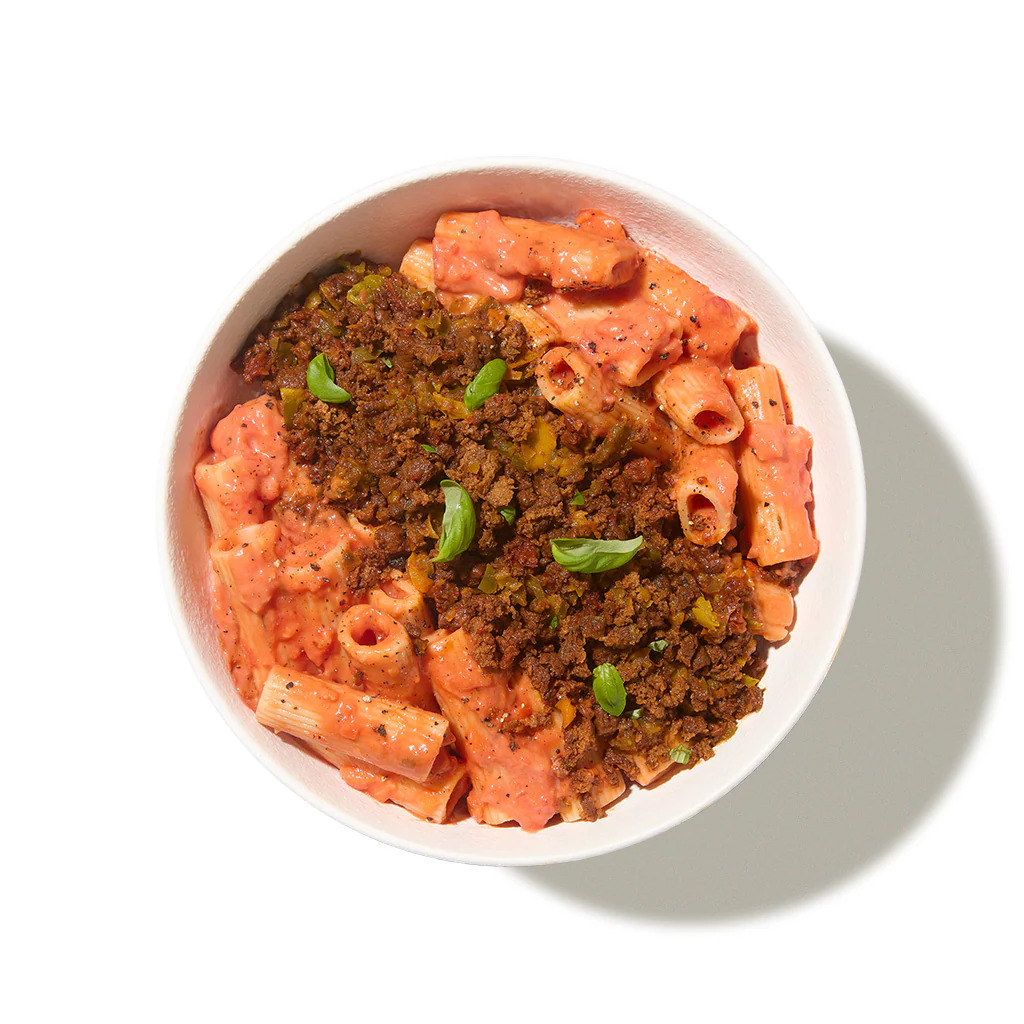

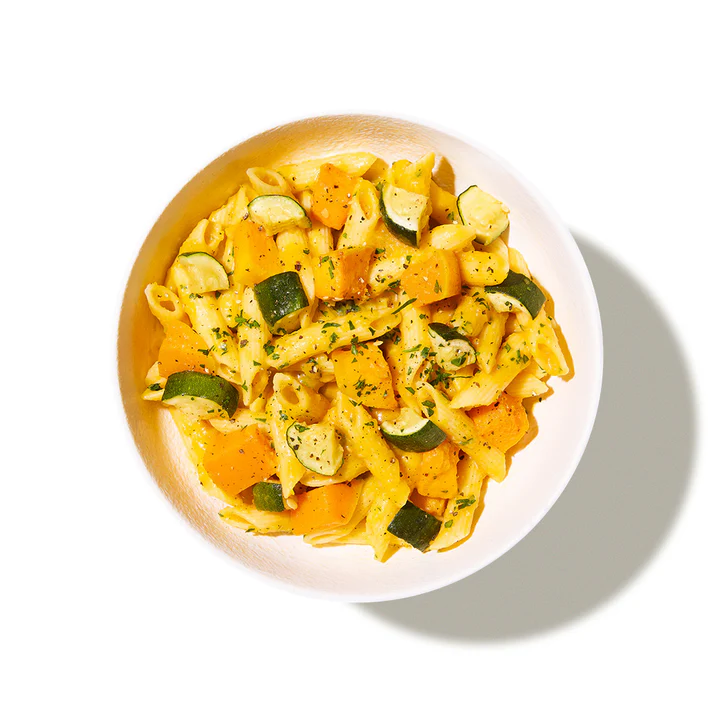
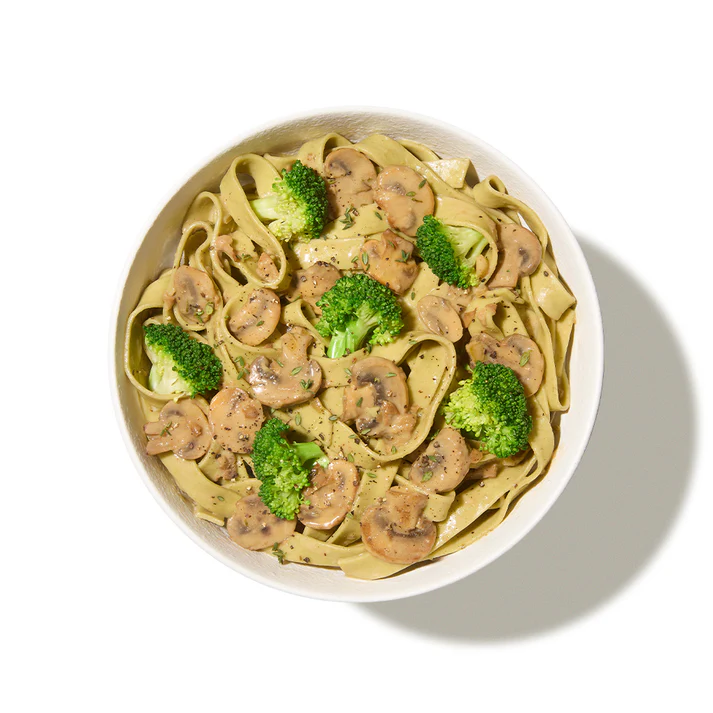
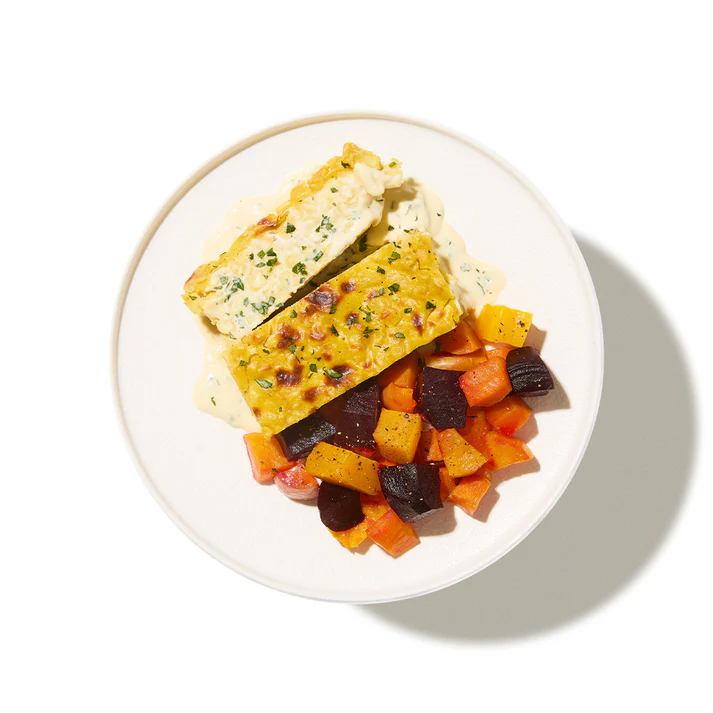

Every day we make it easy for thousands of Aussie vegans, vegos & flexis to get the protein they need
“Love the variety of the meals I opted for the high protein this time and loved all of them 😊”

tahlia
Metropolitan Adelaide, SA“My favourite meals are the high protein ones, such as Sunkissed Protein Pesto pasta! LOVE IT!!”
amber
Greater Melbourne, VIC“Great options for protein goals and variety in vegan meals.”
sam
Sydney, NSWhere's how easy it is
browse the menu and choose
your meals
New meals added every season
your meals arrive in as little as 2
days
Express delivery in metro areas
heat, eat and thrive!
Tasty plant-based meals always 3 mins away
frequently asked questions
Plant proteins are perfectly able to support muscle growth if you consume enough of them. And although some plant proteins lack one or more essential amino acids, by getting your plant-based protein from a variety of sources (like beans, lentils, quinoa, nuts, seeds, and tofu) you can get all the essential amino acids you need for muscle synthesis.
As with animal protein, the key is to ensure you’re getting enough total protein for muscle building. Generally, this means 1.6 to 2.2 grams of protein per kilogram of body weight per day. And of course, muscle growth requires resistance training. Ensure you have a good post-workout meal that includes protein to aid recovery and muscle repair. There’s a window of opportunity that exists within 30 minutes of exercise for optimal muscle growth and repair, so plan to consume some protein following your exercise (and before if you want to take it a step further)
Plant protein is perfectly able to meet your body’s protein needs. But because plant protein is less digestible, you might need to consume slightly more plant protein than you would animal protein. If you're relying solely on plant-based sources, it's a good idea to aim for the higher end of the recommended range.
For the average adult, the recommended daily allowance is roughly 0.8 grams of protein per kilogram of body weight per day. For those looking to build muscle or who are highly active, higher protein intake is recommended. Aim for 1.6 to 2.2 grams of protein per kilogram of body weight per day.
Soy, chia seeds and quinoa protein are considered complete sources of protein, meaning they contain all the nine essential amino acids your body cannot produce on its own. These essential amino acids are crucial for various bodily functions, including muscle building and repair.
You can find soy protein in foods like tofu, tempeh, soy milk, edamame, and soy-based meat substitutes.
If you are relying solely on plants as your source of protein, the best strategy is to include a wide variety of high-quality sources in your diet. By eating a range of plant proteins like beans, lentils, quinoa, nuts, seeds, and tofu, you can get all the essential amino acids you need.
Both animal and plant proteins can play a role in a healthy diet, so the ideal choice will vary from person to person depending on their dietary preferences, health goals, lifestyle and values. However, plant proteins do offer some unique benefits over animal proteins.
Plant proteins are higher in fibre, vitamins, minerals and phytonutrients, and tend to be lower in saturated fat and cholesterol. For this reason, they’re associated with numerous health benefits, including reduced risk of chronic diseases such as heart disease, type 2 diabetes, and certain cancers.
What's more, plant-based proteins typically require less water and land and generate fewer greenhouse gas emissions compared to animal agriculture. Choosing plant proteins can contribute to environmental sustainability and reduce your carbon footprint.